

Antique Furniture
The antique furniture market in 2026 is shrinking in some traditional categories, and it's strengthening in others. Demand has shifted away from heavy, formal furniture, and buyers are now looking for pieces with design character, authenticity, and decorative impact.
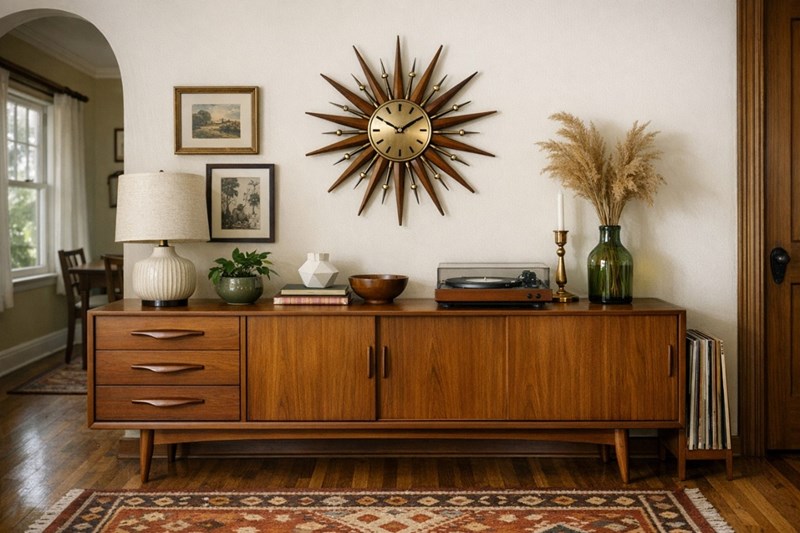
The biggest change is in taste, which is pretty obvious. Many buyers want furniture that fits smaller homes, contemporary interiors, and a more personal style, so large Victorian dining suites are harder to sell than they used to be. But items with strong visual identity, like mid-century pieces, Brutalist forms, painted furniture, and well-made decorative case pieces, are getting more attention.
Sustainability is also having an impact on the market. Antique furniture appeals to buyers who want durable, already-made objects rather than mass-produced new goods. And that message fits well with the growing interest in second-hand and circular living. In the UK, younger buyers are driving the antique and second-hand market, and they value story, craftsmanship, and uniqueness as much as age.
Prices are increasingly divided by quality, and that's a key thing to note. The top end of the market remains strong for rare, well-documented, and design-relevant pieces, while average or oversized items can linger unless they are especially attractive or practical. So, provenance, condition, originality, and style matter more than simply being old.
For sellers, presentation and positioning are crucial, arguably. Furniture that photographs well, works in modern interiors, or carries a clear design story tends to sell better than anonymous pieces with no obvious purpose. And dealers and auctioneers are seeing more interest in items that bridge old and new, especially pieces that can be used as statement accents rather than entire room sets.
Geographically, the market is still supported by online discovery, which has been a game-changer. Digital channels have widened the audience for antique furniture, making it easier for niche styles to find buyers beyond their local area. That has helped items with clear aesthetic appeal outperform more conventional stock, because collectors and decorators can now search broadly for specific looks rather than simply browsing nearby shops.
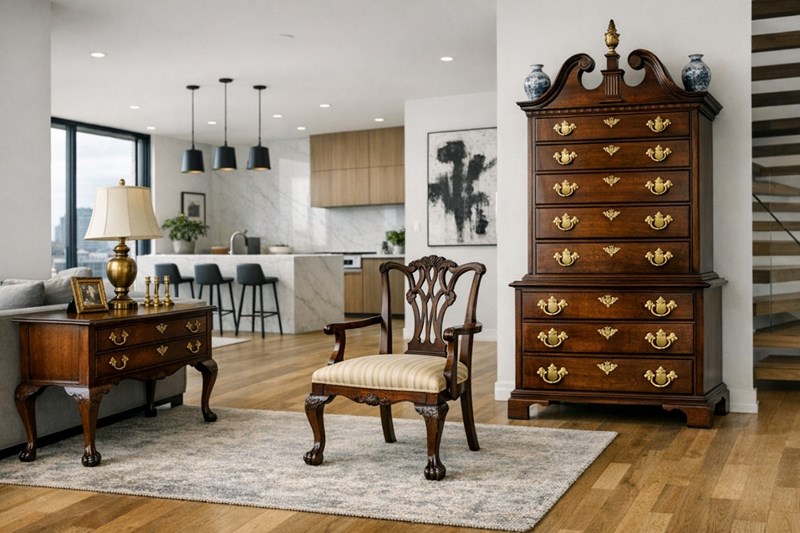
The future of the antique furniture market looks selective, not broad-based. Classic craftsmanship, strong design, and adaptable scale are winning, while bulky and generic pieces face more resistance. And the market is not disappearing, it's becoming more curated, more style-led, and more dependent on pieces that feel relevant in modern homes.