

-
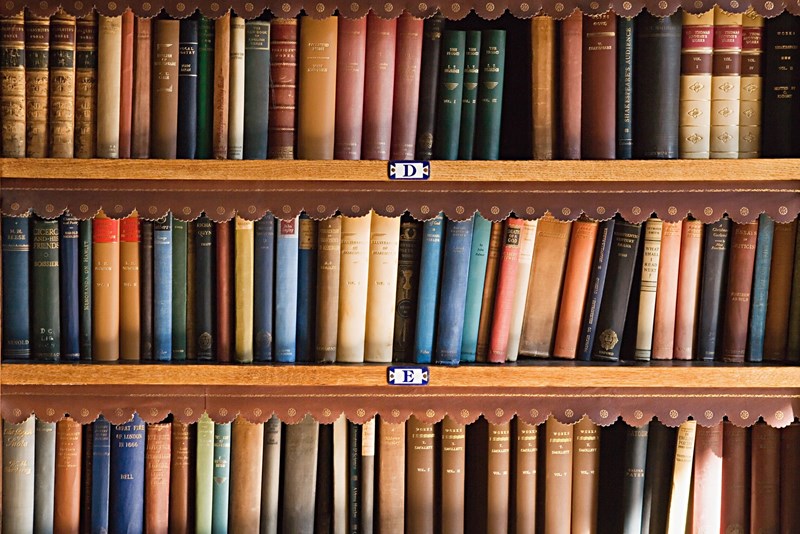
Antique Books
Collecting and How To Do It
Decide what to Collect
Pick something that really sparks your interest, not just what's trendy or valuable. You need to be genuinely curious about what you're collecting because it's a long-term hobby that requires patience, and it could be vinyl records, seashells, vintage postcards, or even different kinds of tea tins. Almost any item can be collected as long as there's a clear connection between the items, like a shared theme, material, or era. Many collectors start with things they already own and enjoy; if you have a few favourite mugs, you might build a small ceramics collection around certain colours or styles.
Set your Purpose and Boundaries
Once you have a rough idea of what to collect, think about what you want to achieve with your collection. Some people collect just for fun and nostalgia, others hope their items will be worth something, and some focus on learning about history, art, or design. Your purpose will guide your choices: if you're collecting for sentimental reasons, you'll look for items that trigger memories. It's also helpful to set boundaries early on, so your collection doesn't become a random mix of stuff. You might decide to focus on a certain period, brand, or price range, or only include items you've personally found.
Learn the Basics and the Market
Even if you're not serious about your collection, a bit of research can go a long way. Read guides, blogs, or forums about your chosen area, so you can spot condition issues, fakes, and get a sense of price ranges. Understanding what's rare and what's common will help you avoid overpaying or buying low-quality items. If you're collecting cheap items, learning how to tell variations apart and how to store them safely is still useful. For more specialised areas, knowing about grading, authenticity, and provenance makes a big difference. You don't have to become an expert right away; just pick up information as you go along.
Start Small and Stick to a Budget
Don't try to build a serious collection with a few big purchases. It's better to start small, both in terms of quantity and cost. Set a budget and stick to it, even if you see something that catches your eye. Small, regular acquisitions help you develop your taste and skills gradually, so you're less likely to regret your early purchases. Check out low-cost sources like charity shops, boot sales, or local online listings before turning to specialist dealers. If you're collecting things you can find for free, your main investment will be time and attention.
Build Habits, Community, and Display
Collecting becomes more rewarding when it's part of your routine. You might visit a particular market once a month, check online listings each week, or keep an eye out for relevant items when you're out and about. Over time, these small habits will grow your collection. Connecting with others who share your interest can be motivating; you can get advice, answers to your questions, and sometimes trade or buy items you wouldn't have found otherwise. Think about how you'll store and display your collection, too. Simple solutions like labeled boxes, binders, or shelves protect your items and let you enjoy them daily. A well-arranged display turns a group of objects into a personal story you can see and share, making your collection feel meaningful.
If you're looking to start or already have a collection, check out our monthly auctions. And if you're looking to sell your collection, give us a call on 0114 279 6959 or email info@ewbauctions.com.
-
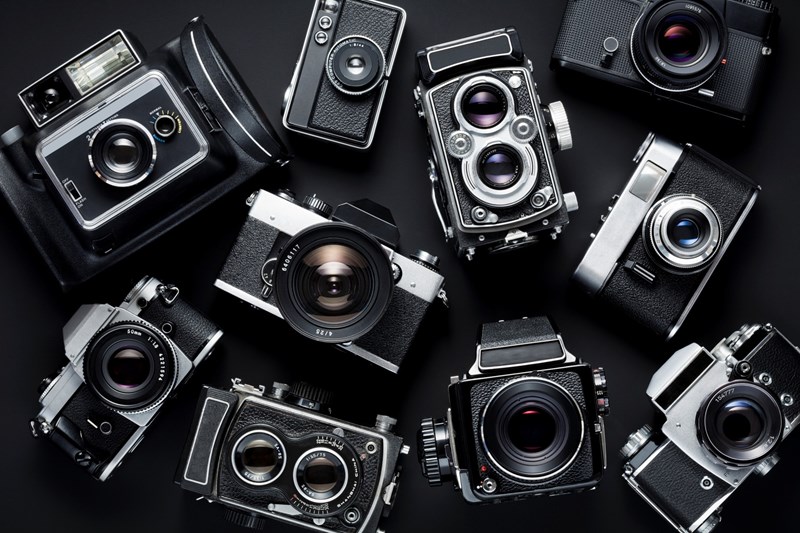
Camera's