

-
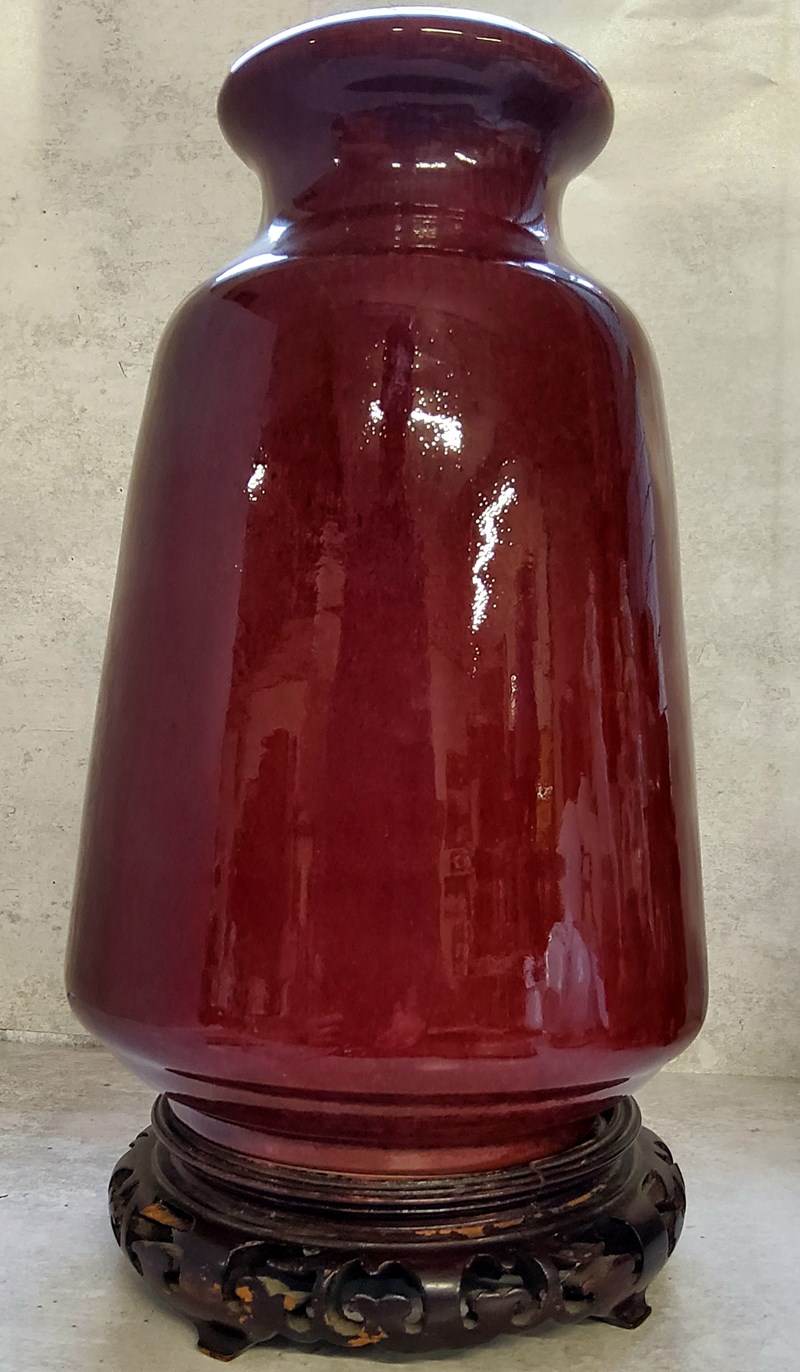
Sold for £4500
Collecting Chinese Ceramics
Collecting Chinese ceramics is a really rewarding area of ceramics collecting because it combines so much - history, craftsmanship, and it's just visually stunning. The field covers over five millennia, from early pottery to this incredibly refined porcelain, and Chinese ceramics have been admired both in China and around the world for their technical innovation and artistic range, which is pretty impressive.
One reason collectors are drawn to Chinese ceramics is the variety - it's just remarkable. You can find pieces that range from simple Neolithic jars and tomb pottery to imperial porcelain, blue-and-white wares, celadons, and these brightly enamelled Qing pieces. This variety means a collection can focus on something specific, like Ming blue-and-white, or take a broader approach across dynasties and kiln traditions, and that's what makes it so interesting.
Porcelain is especially important in the story of Chinese ceramics. It was first produced in China around AD 600, and by the Song dynasty it was being exported in large quantities, becoming a major source of revenue and an object of international fascination, which is part of its lasting appeal to collectors. Because Chinese porcelain was so influential, it shaped ceramic production in Europe, the Islamic world, and elsewhere.
For a collector, condition, authenticity, and provenance matter a great deal. Many important pieces were made in large-scale kiln systems, while the finest examples were produced for the imperial court or elite patrons, so documentation and expert attribution are often crucial. A good collection usually balances beauty with scholarship, meaning the collector learns not only what an object looks like, but also when, where, and why it was made, and that's what makes it so worthwhile.
Beginners often start with more accessible categories, such as later Qing export porcelain, smaller decorative wares, or modern pieces inspired by traditional forms. More advanced collectors may focus on dynasty-specific areas, like Song celadon, Yuan blue-and-white, Ming wucai, or Kangxi famille verte and famille rose. A focused theme helps a collection feel coherent, and it makes it easier to study market trends, kiln marks, and stylistic development over time, and that's really important.
Chinese ceramics also reward close looking. Subtle differences in glaze tone, body composition, brushwork, and firing marks can reveal a great deal about date and origin. Museums, like the British Museum and the Metropolitan Museum of Art, present these objects as both artworks and historical documents, which is a useful mindset for collectors as well. And, honestly, it's fascinating to see how these objects can tell us so much about the past.
A strong collecting strategy is to buy slowly, study widely, and keep careful records. Books, museum catalogues, auction archives, and specialist dealers are valuable resources, but nothing replaces examining real pieces and comparing them across periods. For many collectors, the joy lies in building a group of objects that tells a story about Chinese art, technology, trade, and taste across the centuries, and that's what makes it so rewarding. So, it's not just about collecting objects, it's about understanding the history and culture behind them, and that's what makes it so compelling.
If you have a collection or in need of a valuation then please contact our specialist valuer either by calling 0114 279 6959 or via email info@ewbauctions.com