

-
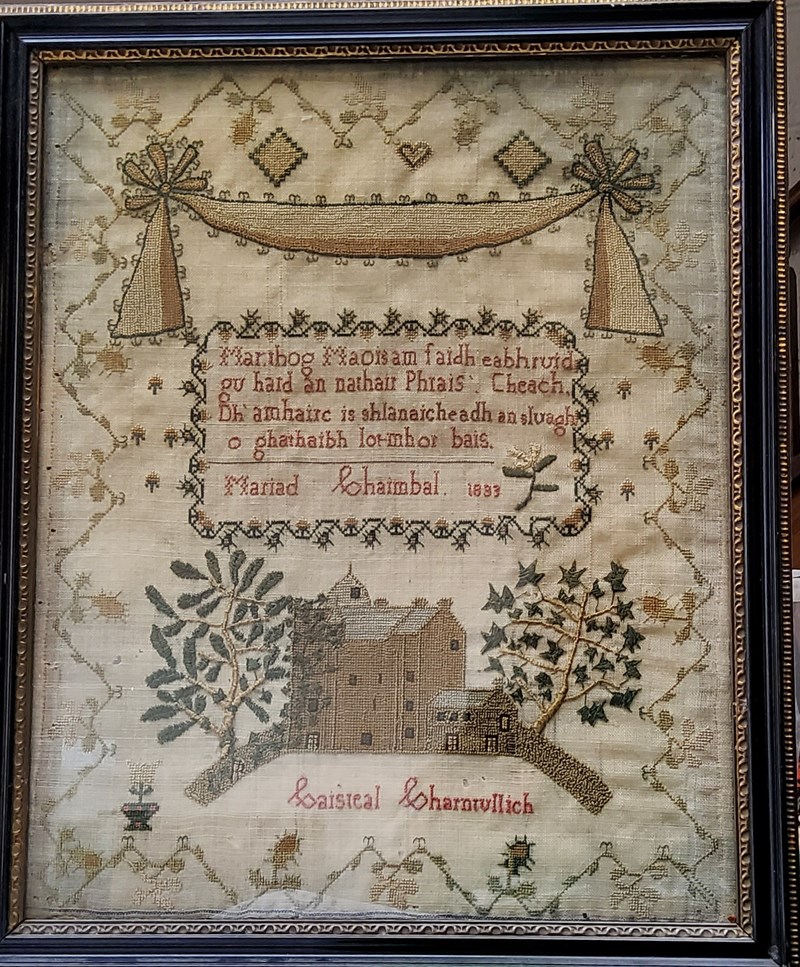
Lot 370 in the 21st July Online Auction
Collecting Samplers
Collecting samplers is a niche that rewards its enthusiasts. Each piece is a textile art form and a historical document, offering insights into the life of its creator. A good sampler can reveal who made it, when, and where, as well as the skills taught to girls in a particular school or household. For centuries, samplers have been created, and their beauty, craftsmanship, and personal stories continue to captivate collectors.
At its core, a sampler is an embroidered collection of stitches, motifs, letters, and numbers, used to practice and preserve needlework skills. Early samplers were practical, serving as reference pieces, while later examples often became more decorative, featuring verses, flowers, houses, and religious images. Many were stitched by children or young women, making them fascinating records of education and domestic life. The passing of time has not diminished their appeal, and they remain a popular choice among collectors.
What draws collectors to samplers is the individuality of each piece. No two are exactly alike, and the smallest details can reveal a great deal about the maker's world. A name and date can anchor a sampler in time, while a school name can connect it to a local institution. A motto or alphabet style may reflect a regional tradition or period taste. For family historians, samplers can be deeply personal, as they sometimes preserve names, birthdates, and other clues that do not appear elsewhere. And, the stories they tell are often poignant, offering glimpses into the lives of girls and women from another era.
Condition is a consideration, but imperfect samplers can still be desirable. Fading, holes, stains, and wear are common in antique textiles, and collectors often value originality over heavy restoration. Yet, it is wise to be cautious, as forgeries and altered pieces do exist. A sampler with strong color, clear stitching, and a legible inscription will usually be more appealing, but rarity and historical importance can outweigh cosmetic flaws. Still, the value of a sampler lies not only in its beauty but also in its historical significance.
If you are starting a collection, it helps to choose a focus. Some collectors specialise in schoolgirl samplers, regional styles, or particular centuries. Others collect based on visual appeal, seeking pieces with strong color, balanced design, or unusual motifs. But, the best collections usually grow from curiosity, rather than speculation. The most satisfying samplers are often those that speak to you personally, offering a connection to the past. And, as you delve into the world of samplers, you may find that your collection becomes a reflection of your own interests and passions.
Research is a crucial part of the collecting process. Looking closely at stitching style, thread, fabric, and inscriptions can help date a piece and place it in context. Books, museum collections, and auction records are useful starting points, and museum examples can help train your eye. By studying these details, you can gain a deeper understanding of the sampler and its significance. But, it is also important to keep good records of provenance, as this can help establish the authenticity and value of a piece. And, as your collection grows, it can become a small archive of women's education, labor, and artistry.
Preservation is the final part of collecting. To protect fragile fibers and dyes, it is essential to keep samplers out of direct sunlight, framed with conservation materials, and away from damp or fluctuating temperatures. Handling them as little as possible and avoiding cleaning or repairs unless a textile conservator advises it can help ensure their survival. A well-kept sampler can survive for generations, continuing the original maker's effort to preserve skill, memory, and identity. And, as you care for your collection, you are also preserving a part of history, a tangible connection to the women who created these beautiful and intricate works of art.
If you have a sampler and would like to have it valued or enter it into an auction please call 0114 279 6959 or email us on info@ewbauctions.com
-
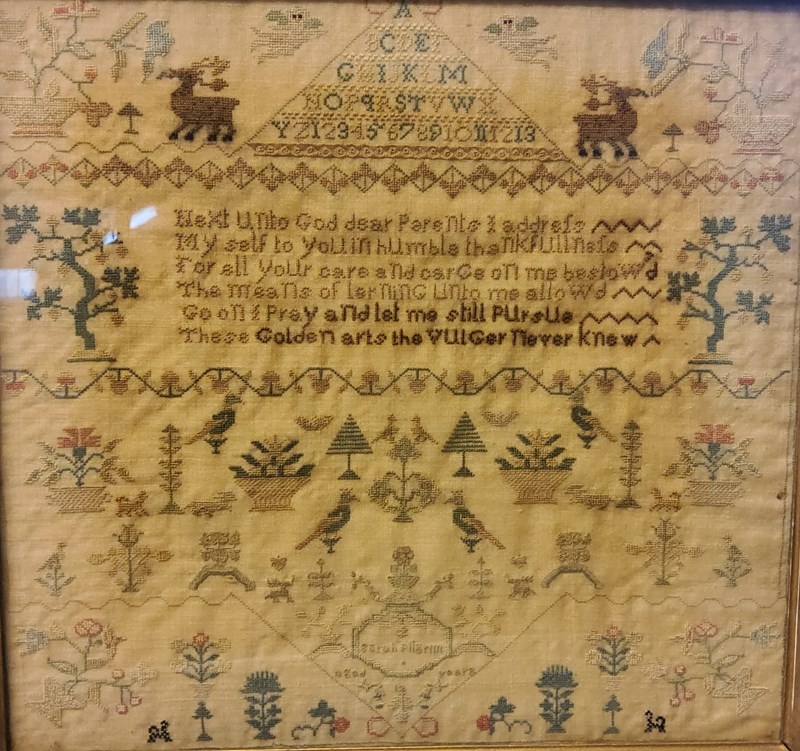
Sold for £2150 at EWB Auctions