-
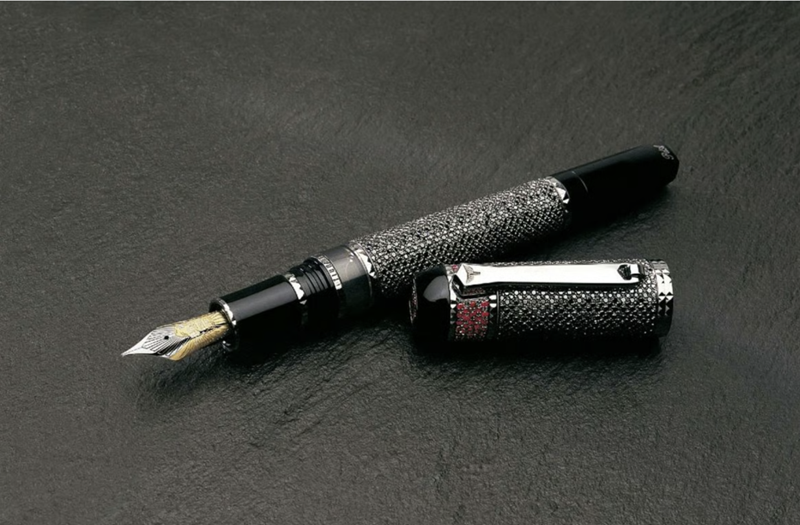
The Fulgor Nocturnus by Tibaldi sold for $8 million dollars!
Stilophilia
Collecting pens brings together history, design, mechanics, and the plain pleasure of putting ink on paper. A collection might start with one inherited fountain pen or a cheap modern pen that happens to write beautifully, then develop into a deliberate set built around a maker, an era, a filling system, a material, or a personal memory. Size and price do not determine the best collections. The ones worth admiring have a clear point of view and pens their owners actually enjoy.
Why pens appeal
Pens are satisfying to collect for an unusual reason: they are objects and tools at once. A stamp or a coin sits in its holder. A pen can be held, written with, cleaned, repaired, and worked into daily life. Fountain pens carry nostalgia too. Plenty of people remember using one at school, or received one from a parent or grandparent, and that emotional connection goes beyond whatever the pen might fetch on the market.
There is also the craftsmanship. A vintage fountain pen may bring together celluloid or hard rubber, gold trim, an engraved nib, and a clever filling mechanism. Collectors often care about these details as much as the writing experience itself. The golden age of fountain pens is usually placed between 1920 and 1950, the period when many of the most admired and valuable models were made.
Ways to collect
No single approach is correct. Some collectors stick to one brand: Parker, Sheaffer, Waterman, Pelikan, Montblanc, or Conway Stewart. Others collect by filling system (lever-fillers, button-fillers, piston-fillers, safety pens) or by country, period, colour, material, or nib style. A narrow theme tends to make a collection more coherent and can discourage impulse buying.
It helps to separate collecting for display from collecting for use. If you plan to write with your pens, nib quality, comfort, and a filling system that works properly count for more than rarity. If the collection is meant for display, originality, condition, and historical significance may weigh more heavily. A rare pen does not always write well, and a dependable everyday writer is not always worth much to the market.
Starting wisely
Begin small and buy with intention. Research typical selling prices before you purchase, compare similar examples, and ask whether a vintage pen has been restored or merely cleaned. Worthwhile questions include whether the filling system works, whether the nib is original, and whether there are cracks, chips, dents, or personal engravings.
With vintage fountain pens, the nib often signals overall quality. A well-made 14- or 18-carat gold nib frequently points to a pen worth buying or restoring, though condition and authenticity still require careful assessment.
New collectors can hunt through flea markets, antique shops, online marketplaces, specialist dealers, and pen shows. Online auctions sometimes turn up bargains, but they carry risk: pens may be nonfunctional, incomplete, or over restored. Pen shows and local enthusiast groups are especially valuable, since they allow hands-on inspection and contact with experienced collectors.
Care and organization
Pens last longest in a dry, stable environment, away from direct sunlight and extreme heat. Clean fountain pens periodically, particularly after using pigmented or shimmering inks, and never leave one sitting unused for long stretches with ink inside. A simple catalogue recording maker, model, date acquired, price, condition, and notes makes a collection easier to manage and more meaningful as the years pass.
Keeping perspective
Enjoyment should come first; pen collecting is not best treated as an investment. Some rare vintage pens do command high prices, but most collections pay off in knowledge, community, and daily pleasure rather than financial return. Experienced collectors often prune their collections over time, selling or giving away pens they no longer use so the remaining pieces get more attention.
In the end, collecting pens means developing taste. Over time you find out whether you prefer vintage charm or modern precision, broad nibs or fine ones, understated black resin or colourful acrylics. A good collection tells a story about its owner: what they value, what they find beautiful, and how they like to put words on paper.
-
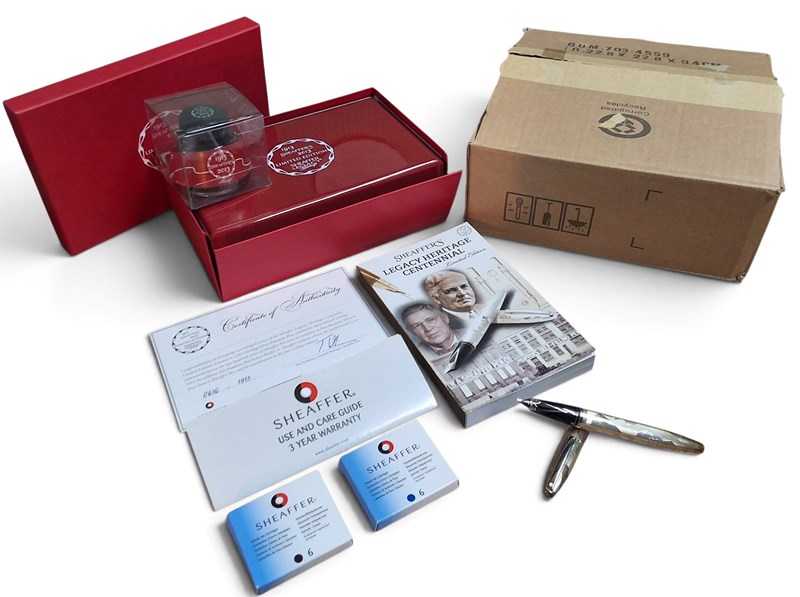
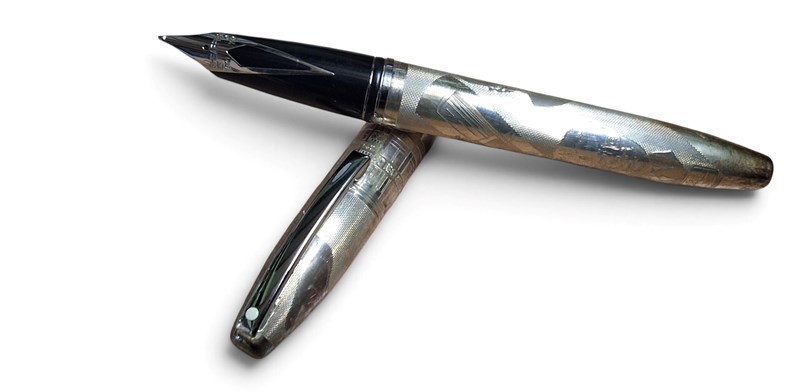
A Sheaffer Silver Legacy Heritage fountain pen unused and complete is Lot 132 on 10th November