

-
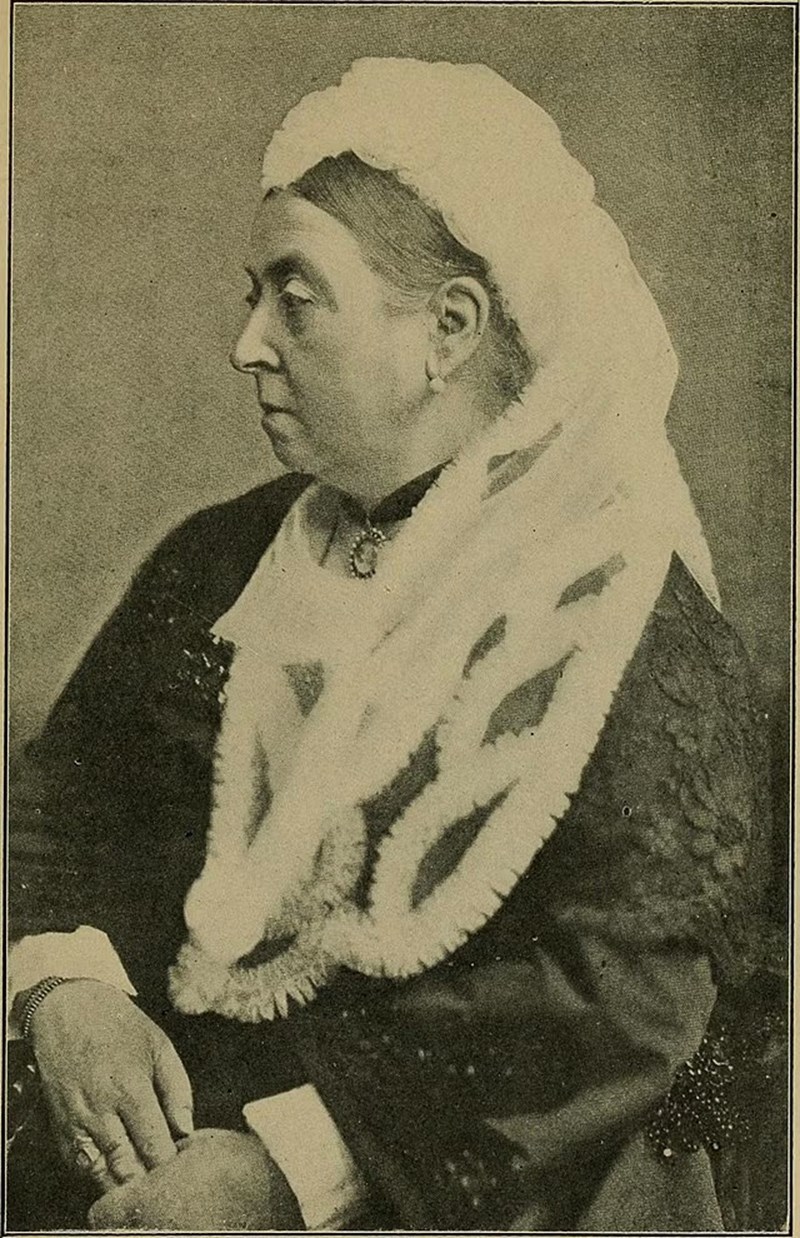
Queen Victoria in 1890 wearing a cameo on a ribbon.
The Art of Collecting Cameos
Collecting cameos is a captivating area of jewellery collecting, blending miniature sculpture, social history, and personal taste. A cameo is a design carved in relief, typically showing a raised image, often a profile head, against a contrasting background. Historically, cameos were crafted from hardstone like agate, onyx, and sardonyx in ancient Greece and Rome, where they symbolized wealth and culture, sometimes depicting gods, emperors, or mythological scenes. Over time, the materials used for cameos expanded, and understanding these is key for collectors. Hardstone cameos are durable, display crisp detail, and have natural banding visible from the side. Shell cameos became popular from the Renaissance, especially in the 18th and 19th centuries, as shell is easier to carve, meeting growing demand from tourists and the middle classes. Glass cameos, made by pouring molten glass into moulds, offered a more affordable alternative, while modern imitations in resin or plastic exist, and it's crucial to recognize them.
The history of cameo collecting is closely tied to fashion and travel. During the Grand Tour era, travellers brought back carved shell and lava cameos from Italy as souvenirs, making them fashionable in Europe. Royal patrons like Napoleon and Queen Victoria wore and promoted cameos, encouraging both high-end hardstone and more accessible shell versions. As a result, many antique cameos seen today are from the Victorian period, often showing idealised female profiles or classical deities. For collectors, one pleasure is learning to judge quality and craftsmanship. Fine cameos show sharp carving, well-proportioned features, and good use of colour layers to create contrast. Lower-quality pieces may have soft details, awkward anatomy, or generic faces, suggesting moulded rather than hand-carved work. Examining the back and edge can reveal whether a piece is carved from a solid material or glued onto a backing.
Dating cameos and understanding subject matter adds another layer of interest. Classical scenes, Roman emperors, and neoclassical motifs often point to earlier pieces, especially those linked to 18th- and 19th-century revivals. Victorian cameos frequently feature romantic themes, floral designs, and idealised women, while mourning cameos in onyx or jet commemorated loved ones. Later 19th- and 20th-century examples may show more secular imagery, and stylistic clues in hairstyles and clothing can help estimate age, alongside the mounting's construction. Condition and care are crucial when building a cameo collection. Shell is softer and more vulnerable to cracking or wear, so collectors should look for pieces without major chips or discoloration and avoid excessive moisture and sudden temperature changes. Hardstone and glass are tougher but can still be damaged if dropped. Gentle cleaning with a soft cloth, careful storage away from direct sunlight, and avoiding chemical cleaners will help preserve the fine details that make cameos appealing.
Modern collectors approach cameos in different ways, and there's no single "correct" strategy. Some focus on ancient hardstone examples, treating them as miniature works of art, while others specialise in Victorian shell cameos or seek unusual subjects. There's also a contemporary revival of cameo carving, with artists experimenting in new materials and styles, offering opportunities to collect both antique and modern pieces. Whatever your focus, studying materials, craftsmanship, and history will deepen your appreciation and help you select cameos that are beautiful and meaningful within the tradition of wearable sculpture in relief. .
If you have cameos or costume jewellery and would like valuing or entering into an auction then contact us on 0114 279 6959 or email info@ewbauctions.com.
-
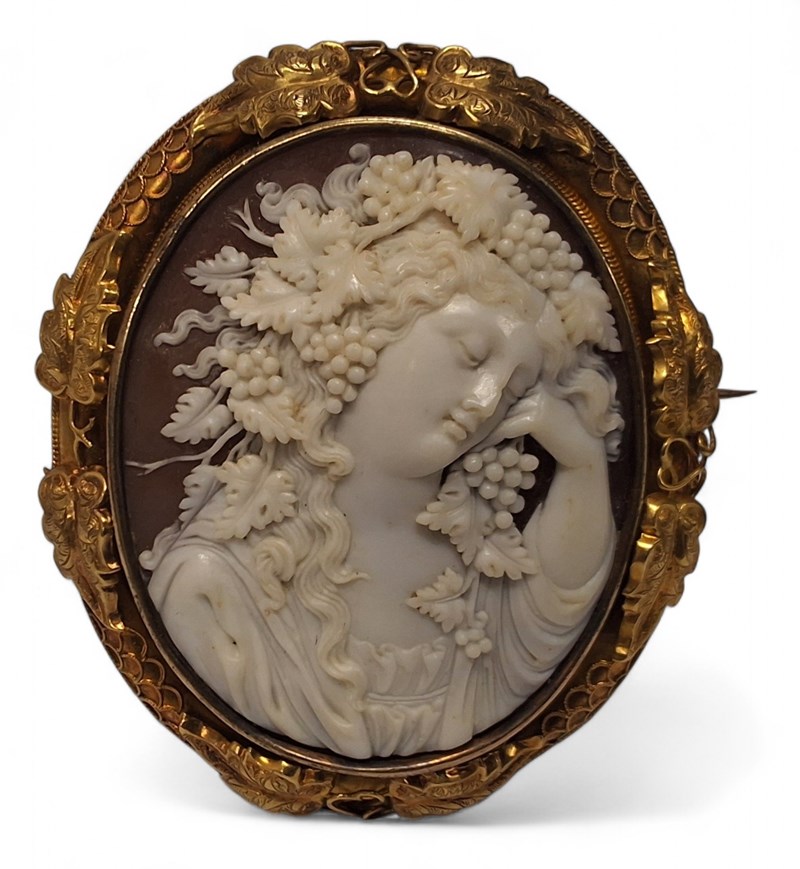
Sold for £820