The Rise of Vintage Computer Game Collecting
For a growing community of enthusiasts, collecting vintage computer games is more than a nostalgic hobby-it's a quest to preserve a formative chapter in digital culture. Once dismissed as technological curiosities, early computer games have evolved into highly collectible artefacts that sit at the crossroads of art, design, and history.
The roots of computer gaming stretch back to the late 1970s and early 1980s, when machines like the Commodore 64, ZX Spectrum, and Atari ST turned spare bedrooms into creative studios. Many of the era's most influential games were produced by small teams - or even single developers - who distributed their work on floppy disks or cassette tapes through mail-order catalogues and local shops. Titles such as Elite, Manic Miner, and Ultima laid the groundwork for modern gaming and are now prized for their historical significance as much as their playability.
For collectors, the appeal lies partly in the tangible charm of these early releases. Unlike the downloadable titles of today, vintage games arrived in lavish, oversized boxes adorned with hand-painted artwork and thick manuals. Some even included memorabilia-maps, code wheels, or badges-that blurred the line between product and keepsake. This "big box era," spanning roughly from the mid-1980s to the late 1990s, gave games a physical presence that modern minimalism has all but erased.
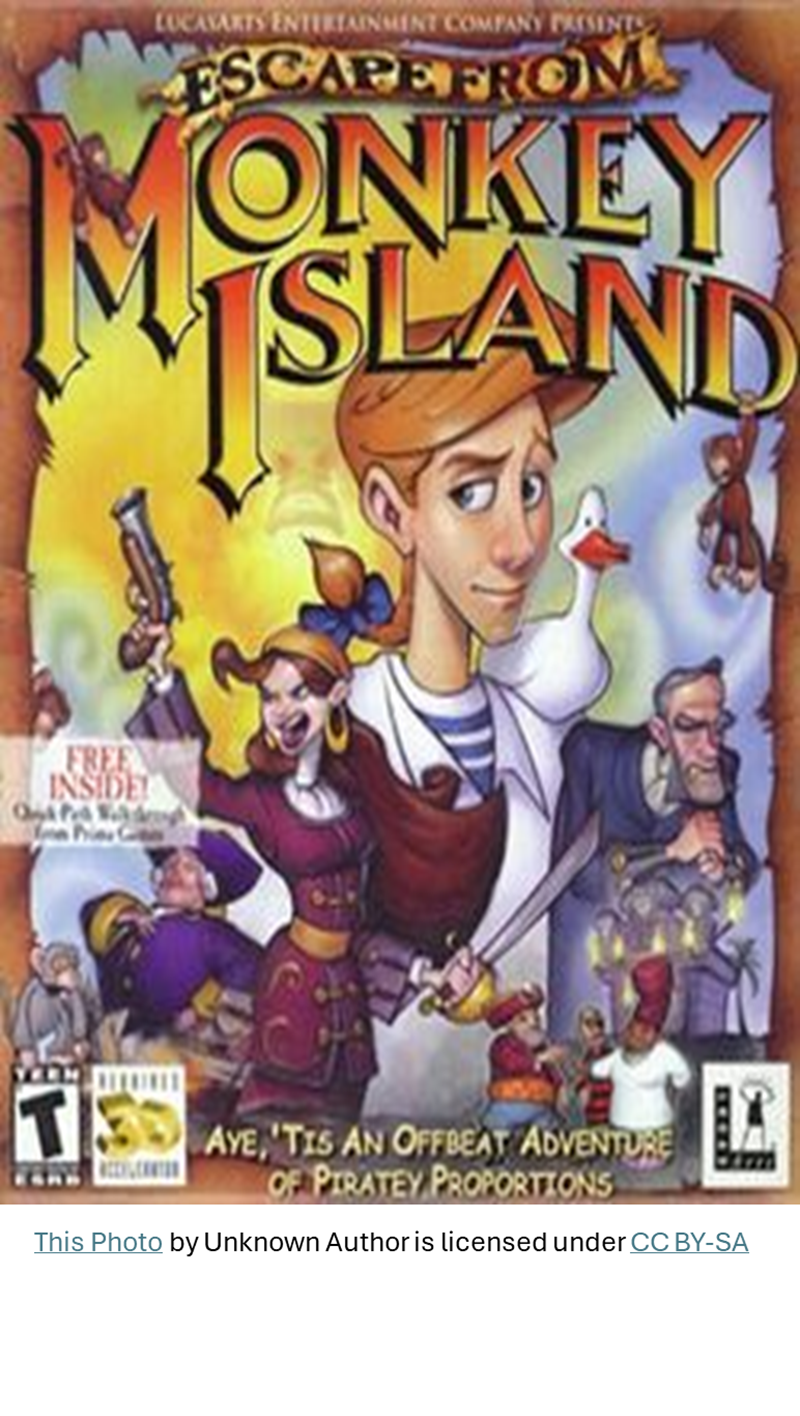
A mint-condition boxed copy of Monkey Island or Wing Commander, for example, is now as much a display piece as a playable object. "It's a little like collecting vinyl," says Martin Hughes, a Sheffield-based game archivist. "Yes, the content is digital, but the packaging told a story. It gave these games personality."
Condition, as with any collectible, determines value. Games are graded by box quality, completeness, and medium integrity. Unopened, factory-sealed copies fetch the highest prices, often selling for hundreds or even thousands of pounds at specialist auctions. But rarity alone isn't everything-authenticity and provenance matter, too. With the market booming, collectors are increasingly vigilant about counterfeits and reproduction artwork.
Preservation remains an ever-present challenge. Floppy disks degrade, magnetic tape loses fidelity, and early computer formats risk becoming unreadable. To combat this, collectors often collaborate with museums and digital preservation groups to archive game data while maintaining the original packaging. The Centre for Computing History in Cambridge, for instance, works alongside private collectors to digitise rare titles and document their origins.
Nostalgia drives much of the interest, but there's also an emerging recognition of games as cultural artefacts. Many collectors see themselves as custodians, safeguarding the creative spirit of an industry now dominated by multimillion-pound studios. The pixelated visuals and beeping soundtracks of early games evoke a kind of digital innocence-a reminder of a time when a few kilobytes of code could inspire wonder.
"People underestimate how much design experimentation went into those early titles," says Claire Donovan, a digital heritage researcher. "Developers were working with enormous technical limits, yet they created something timeless. That's why these games deserve to be preserved."
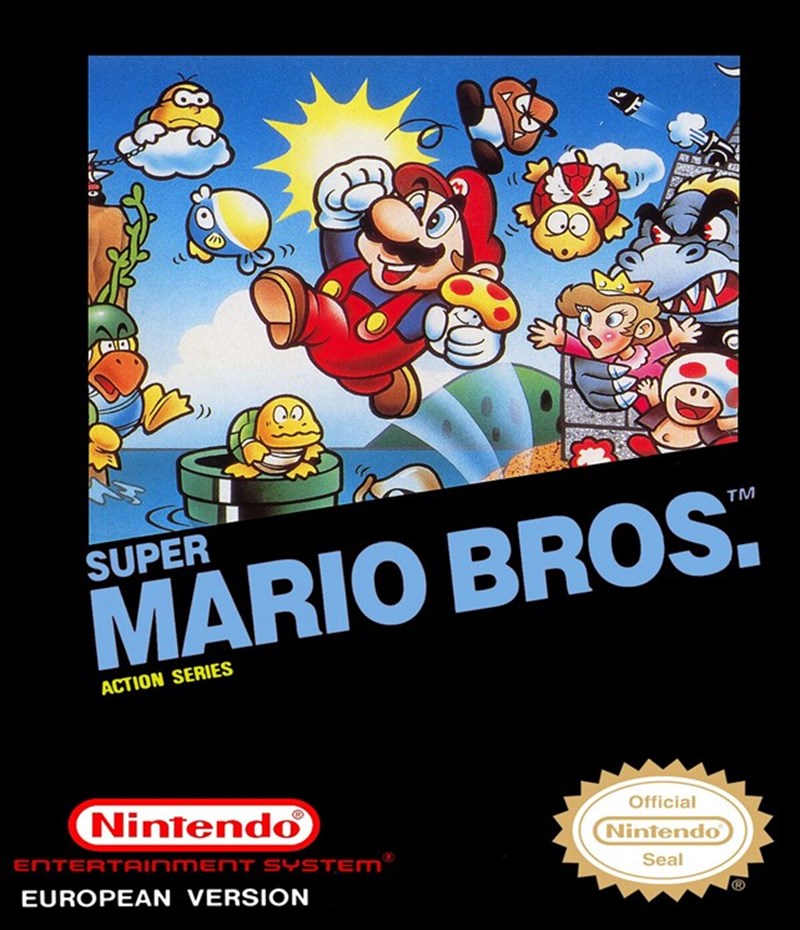
The market for retro games has surged dramatically over the past decade. Auction houses like Heritage Auctions in the U.S. and Ewbank's in the U.K. now list vintage software alongside collectibles such as comics and film posters. Some transactions have made headlines-for instance, a sealed copy of Super Mario Bros. fetched over £1 million in 2021, sparking wider interest in classic gaming memorabilia. Yet most collectors insist their motivation isn't financial but personal-the satisfaction of rediscovering childhood favourites or unearthing a forgotten independent release.
As gaming continues to evolve into an immersive, online medium, the appeal of these early works only deepens. Collecting vintage computer games offers not just a link to the past but a reminder of where digital creativity began. Each boxed copy and yellowing cassette isn't just a playable relic-it's a testament to how imagination once outpaced technology.
If you have old computer games, computers or any gaming consoles collecting dust and wish to enter them into auction then either call us on 0114 279 6959 or email info@ewbauctions.com